Project overview
According to MGC’s project article published on 22 November 2025, the renewed Liye Ancient City and Qin Bamboo Slips Museum had opened to the public as a core project of the fourth Xiangxi Tourism Development Conference. MGC participated throughout creative design and implementation, connecting Qin-era artifacts with contemporary visitors through exhibition storytelling and immersive interaction. The project year is 2025; the company brochure lists the scope as design and construction.
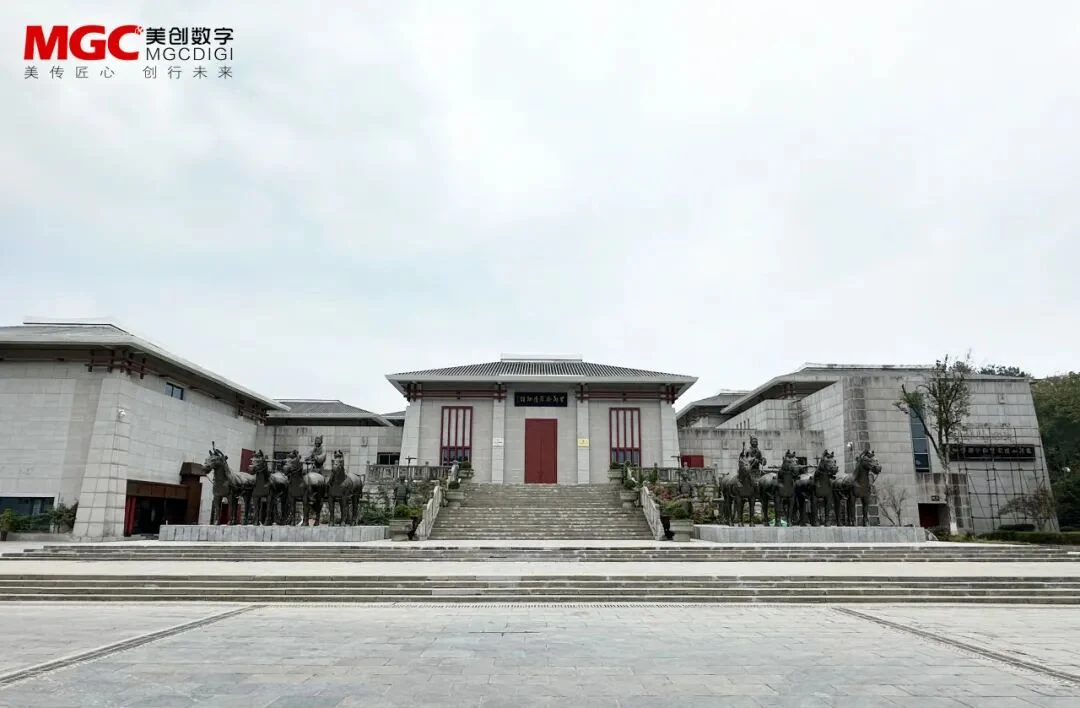
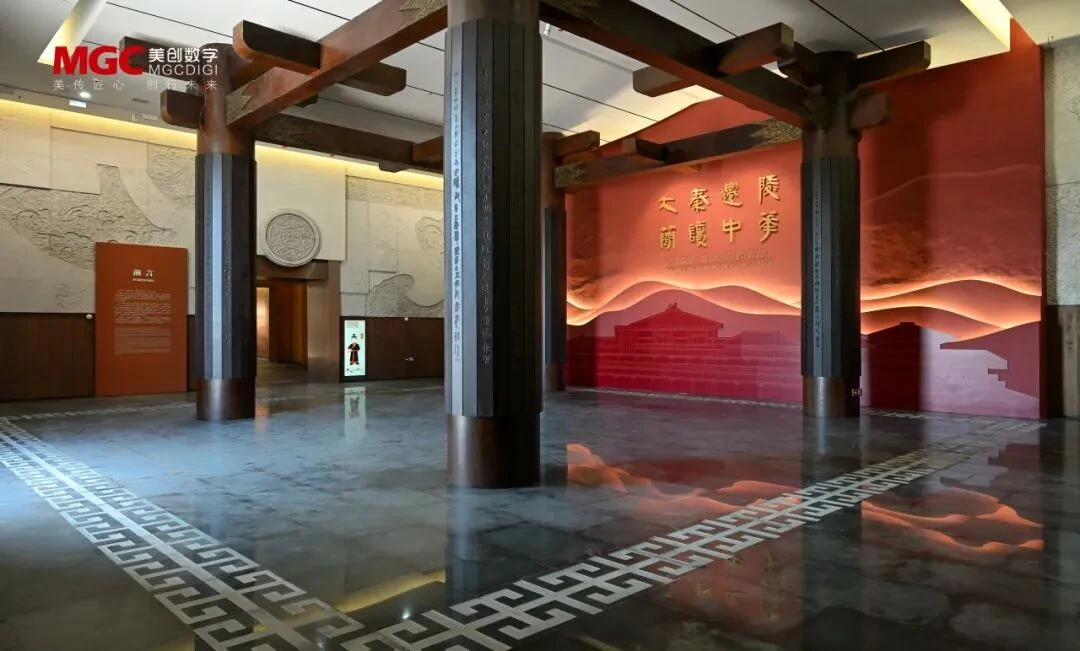
Exhibition theme: Qin-era Qianling
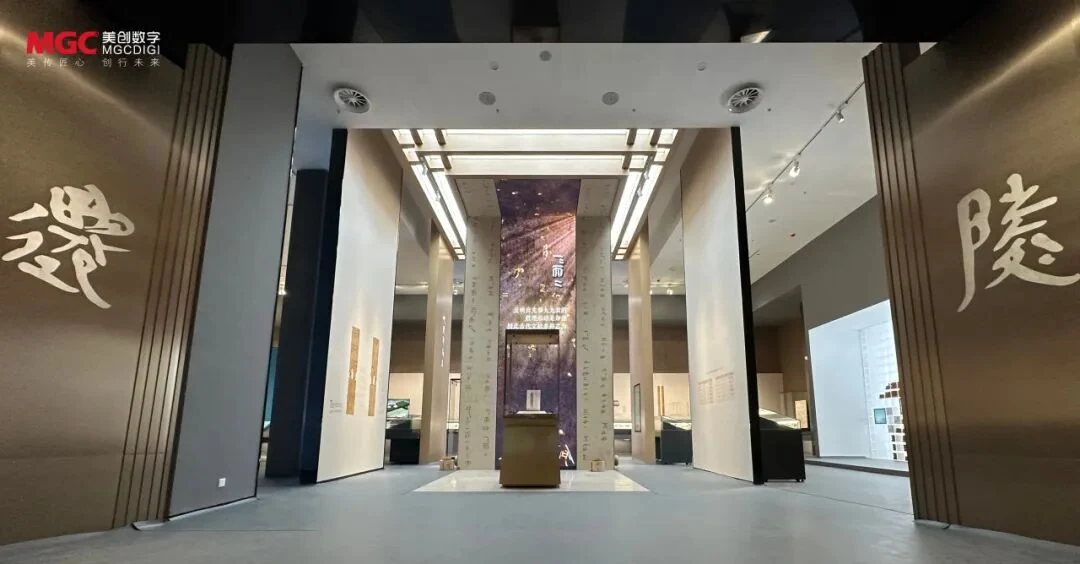
The exhibition explores Qin-era Qianling through bamboo slips. Drawing on Liye Ancient City, slips from Well No. 1 and objects from nearby tombs, it traces the transition from Chu to Qin and Han. It explains how county administration, standardized writing, weights and measures, currency and law were implemented in Qianling County, Dongting Commandery. Written records become stories visitors can understand and engage with.
Storytelling: governance and everyday life
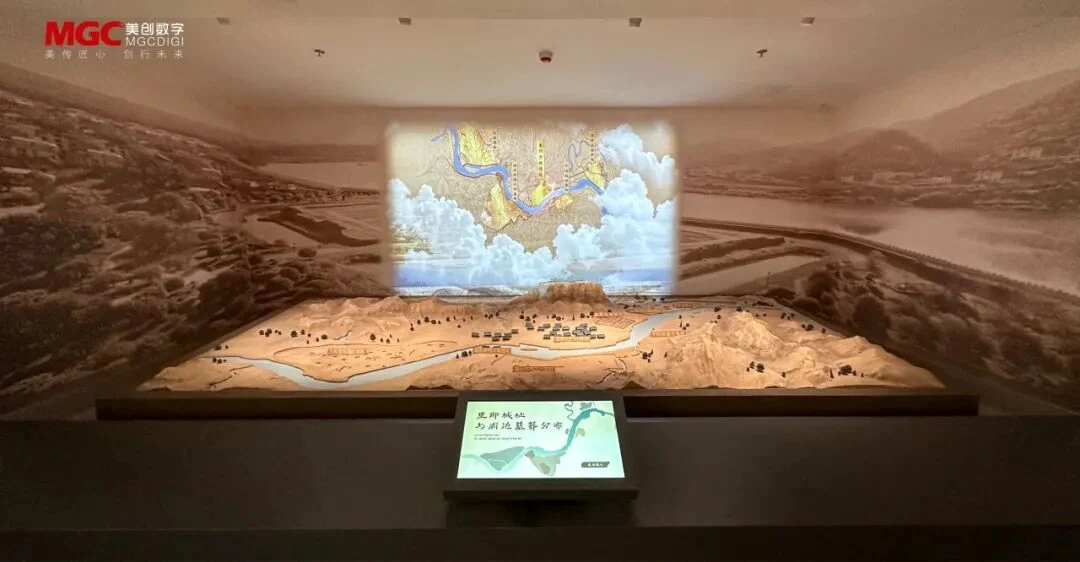
Four sections cover the ancient city, its role as a southern Chu stronghold, Qianling county administration and its integration into the Han realm. The article reports more than 400 slips and over 120 artifacts or sets. Interpretation of the records alongside physical objects uses one county to reveal how the unified Qin state worked.
The broader narrative begins with Qin–Chu rivalry in the Warring States period. Evidence from the city site and Maicha cemetery introduces local life and culture. The Qin section then examines the relationship between Qianling and the imperial court, using the execution and effects of official orders to explain governance and administrative efficiency.
At a more intimate scale, written records are read alongside archaeological remains and objects to explore local politics, the economy, population and everyday life. Individual experiences provide an entry into history.
Visitor experience: visibility and understanding
Small Qin clerical characters and complex content create two barriers: seeing the writing clearly and understanding its meaning. The exhibition addresses both through object presentation and interpretation.
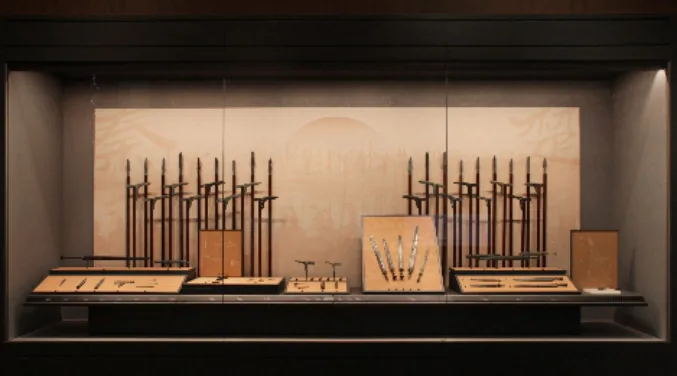
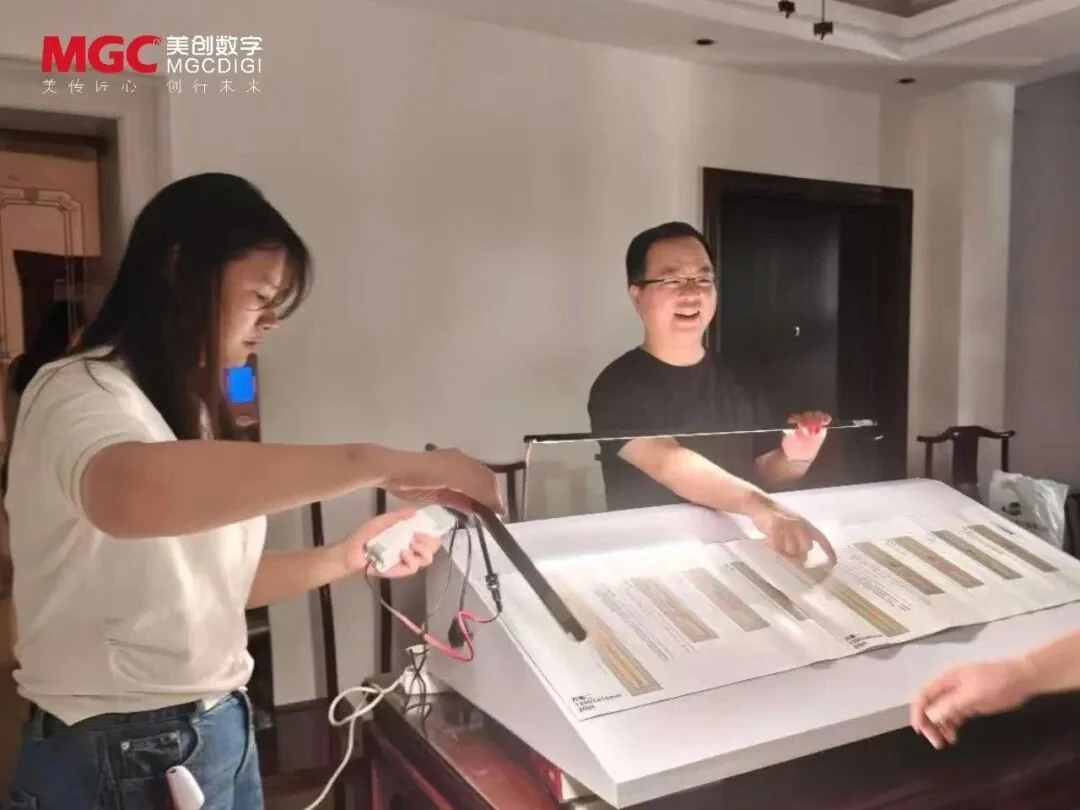
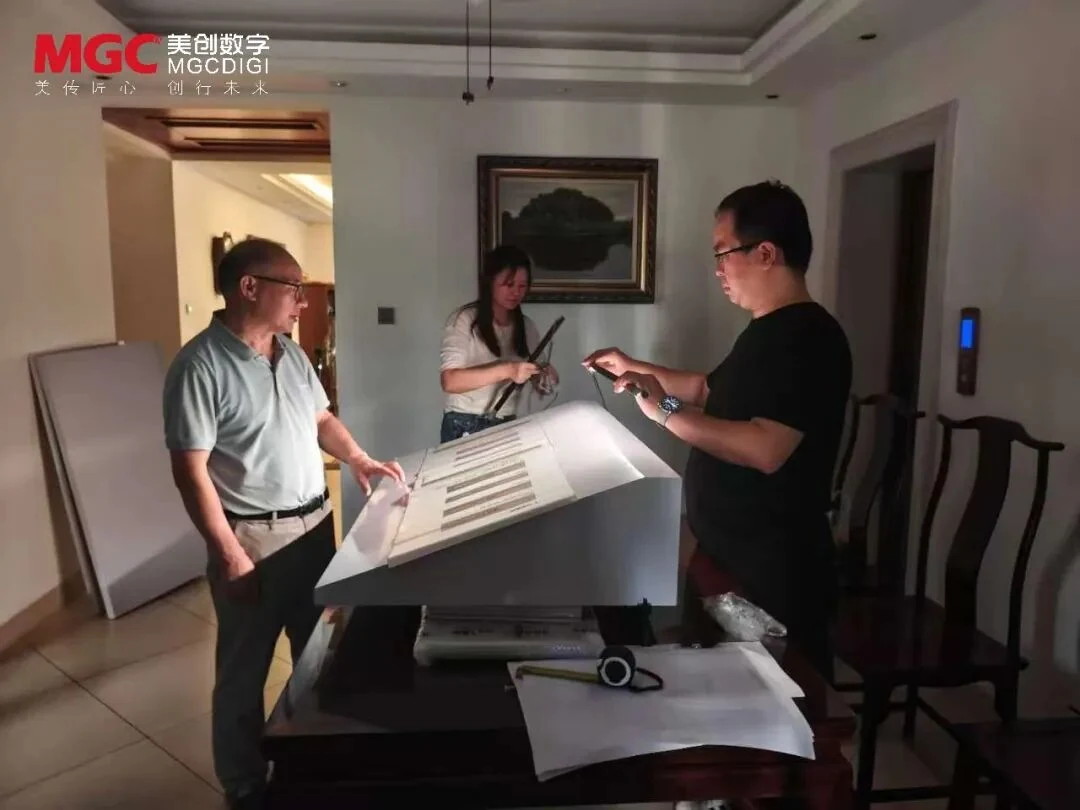
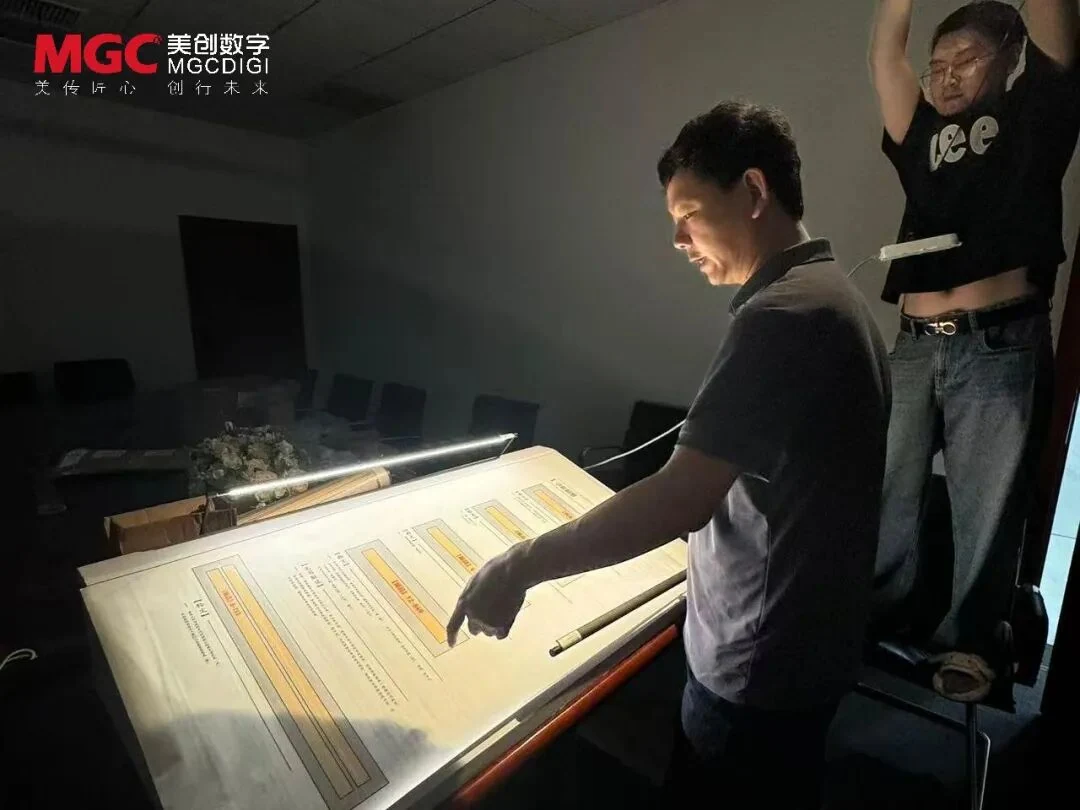
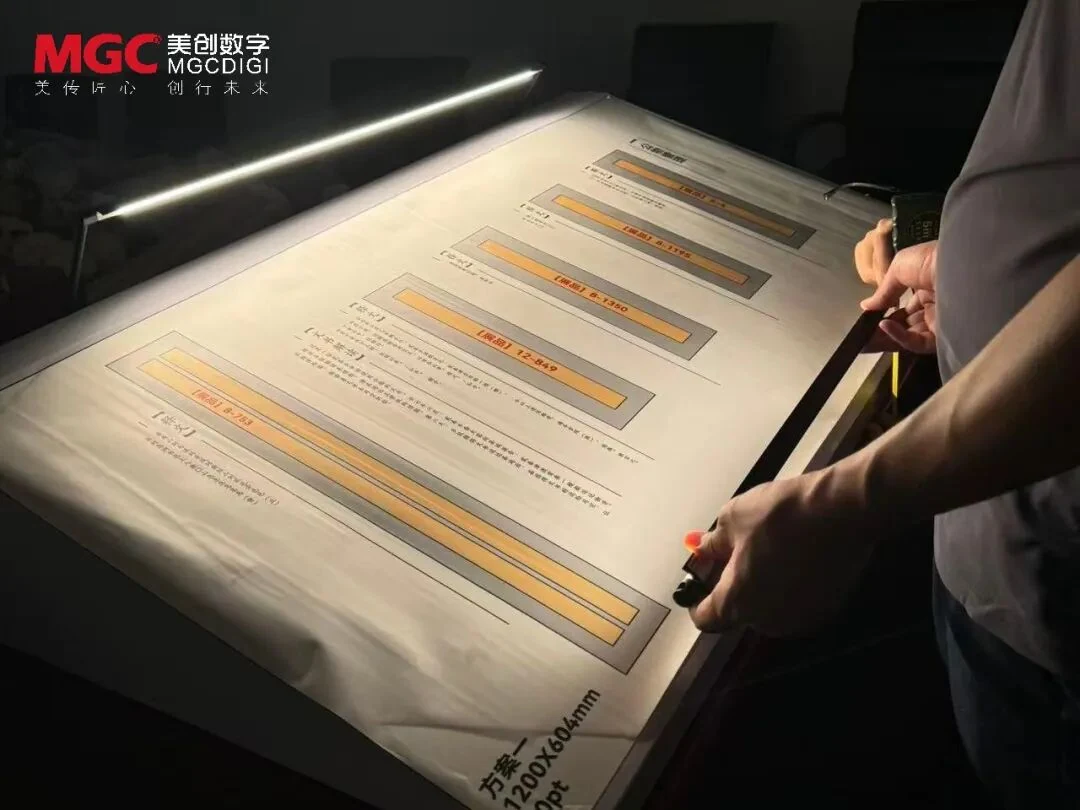
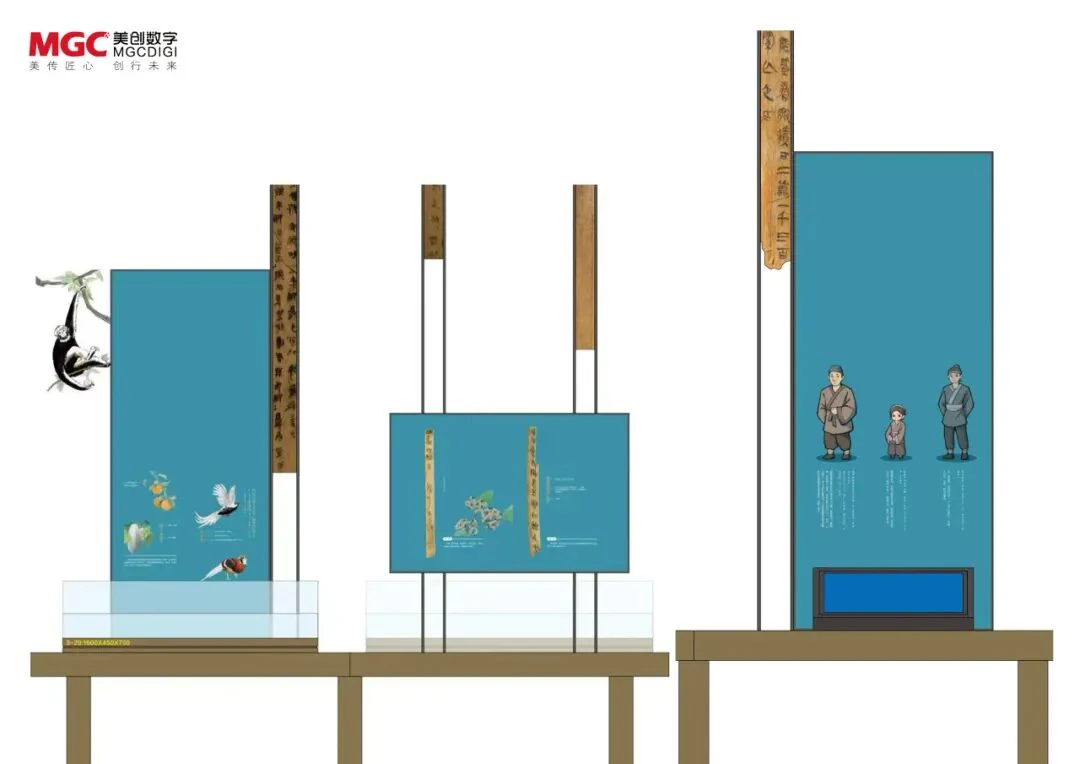
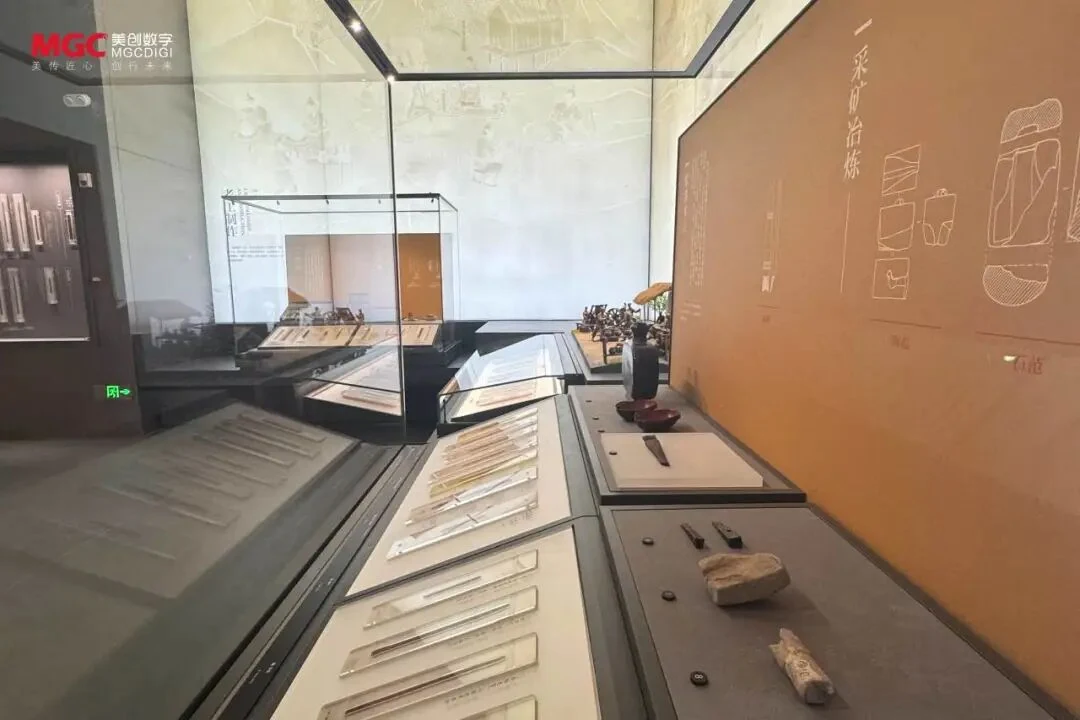
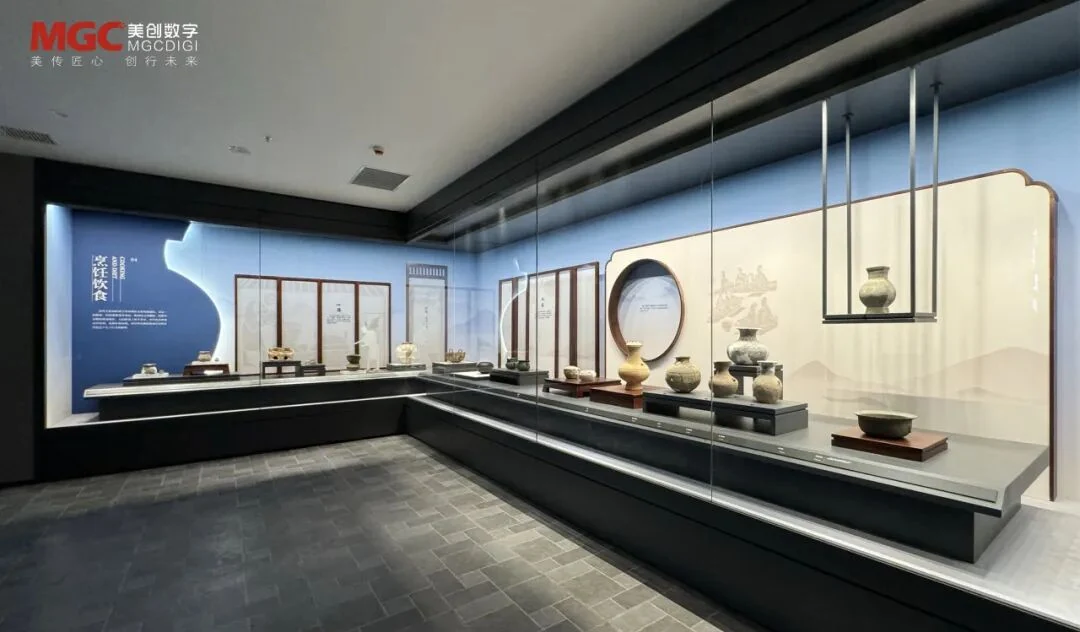
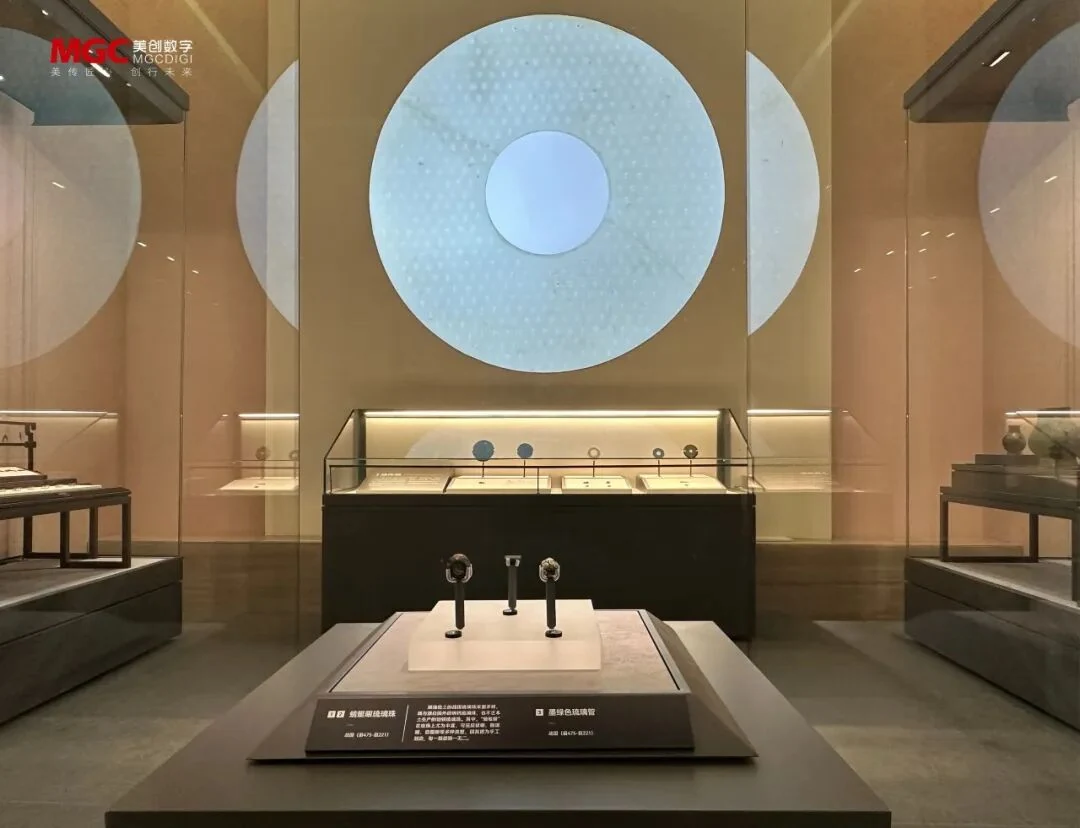
Experts and designers repeatedly tested the angles and heights of plinths, cases and artifact supports. Custom cases for the slips and low-reflection glass improve viewing comfort while protecting the objects.
Three layers of interpretation
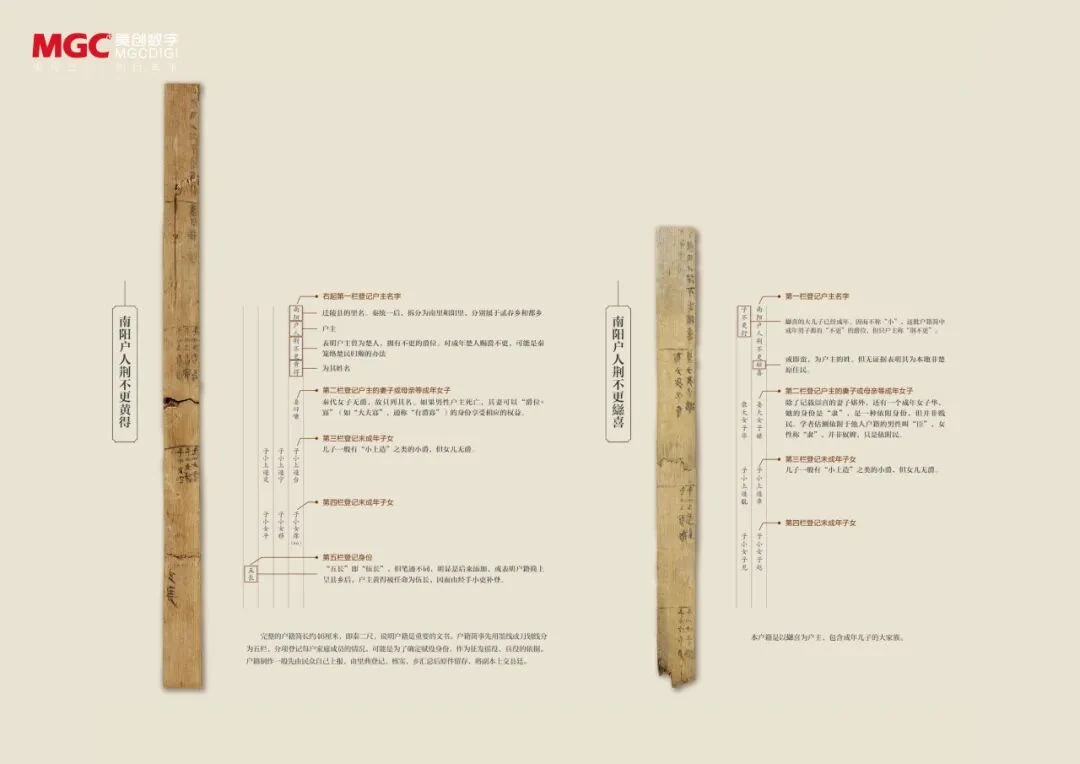
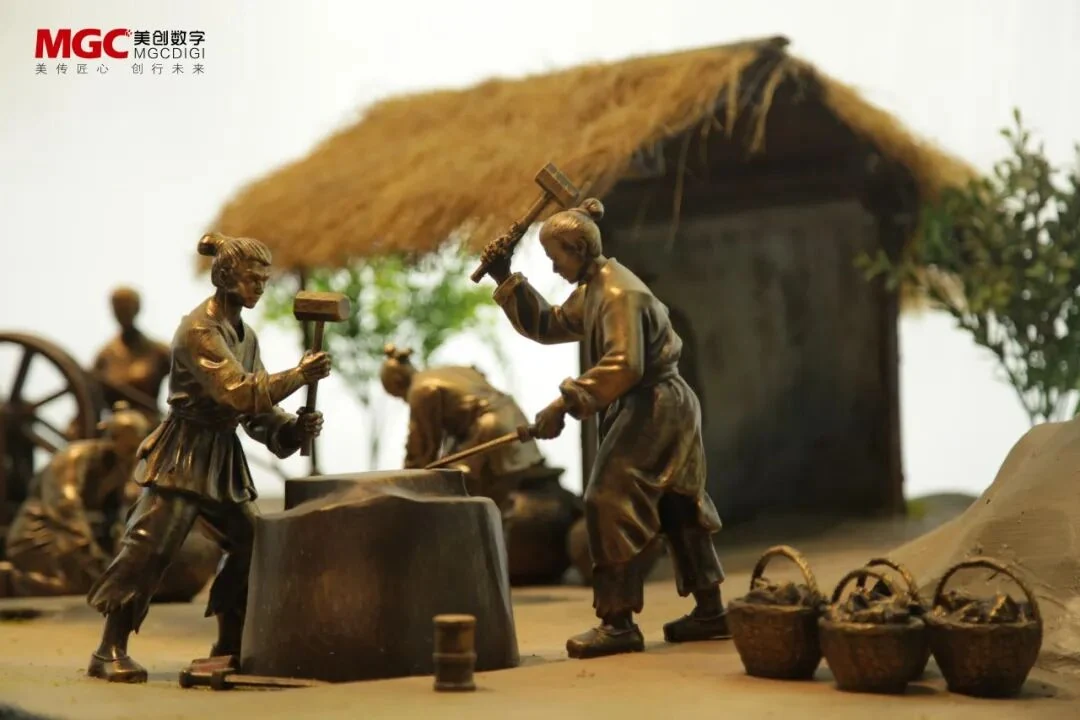
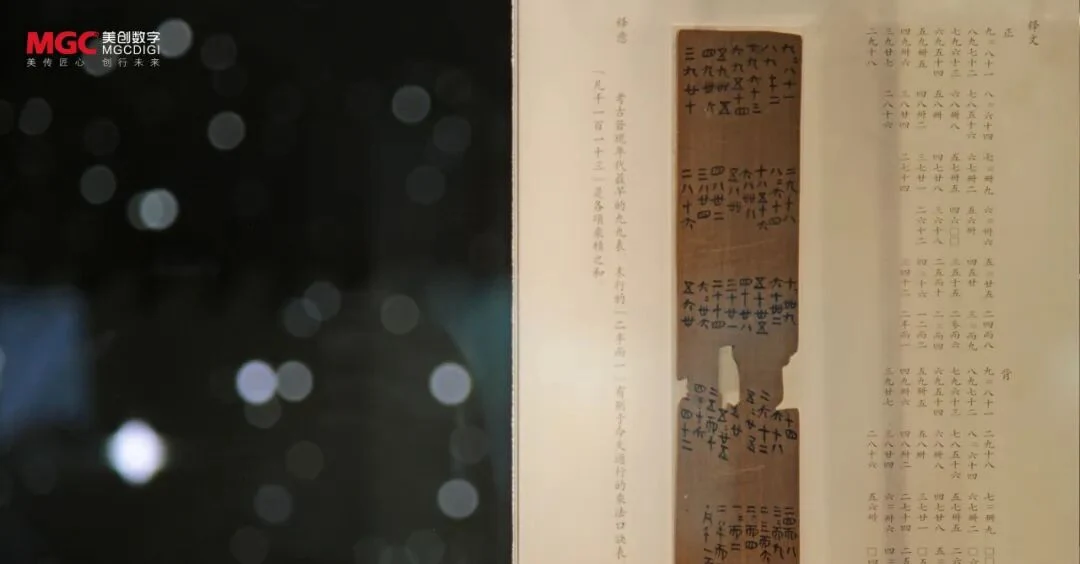
A three-layer interpretation method combines an original slip or image, a transcription in modern Chinese characters, and annotations explaining technical terms and key words. Selected stories are further unpacked through diagrams and comic-style sequences. Small scene models show how other objects were used.
Design: space, imagery and immersion
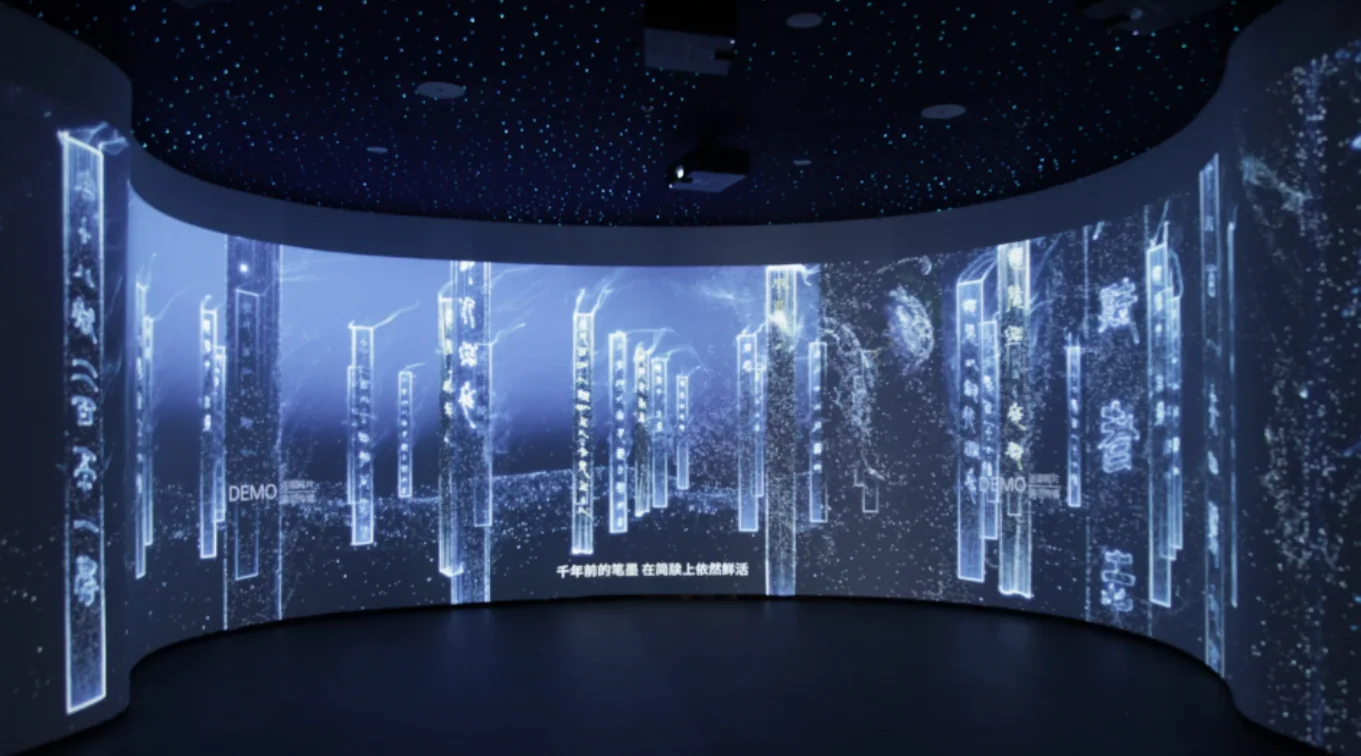
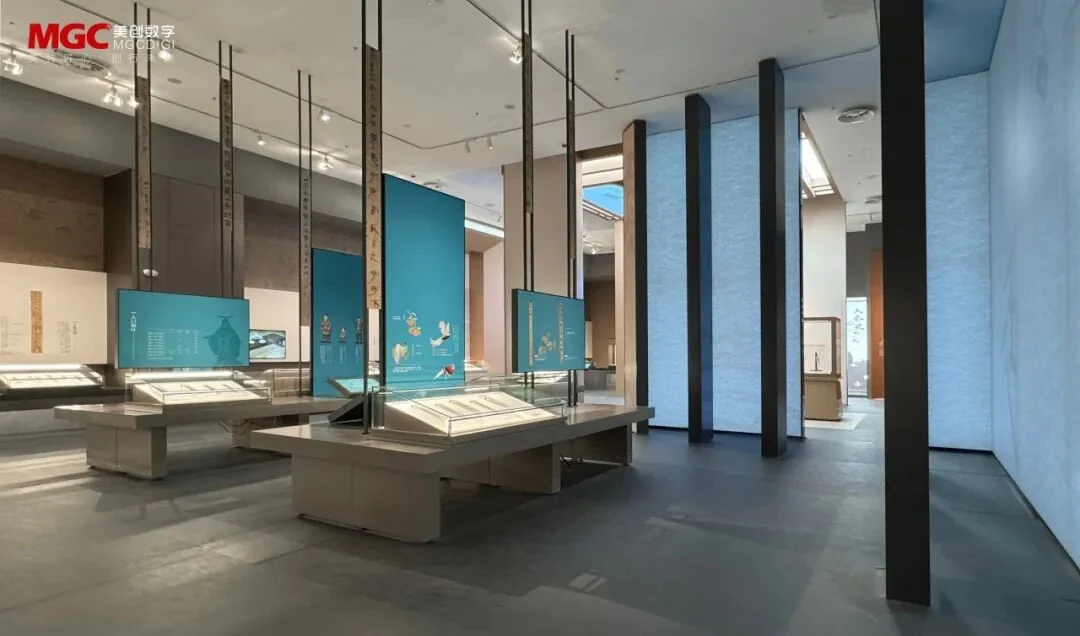
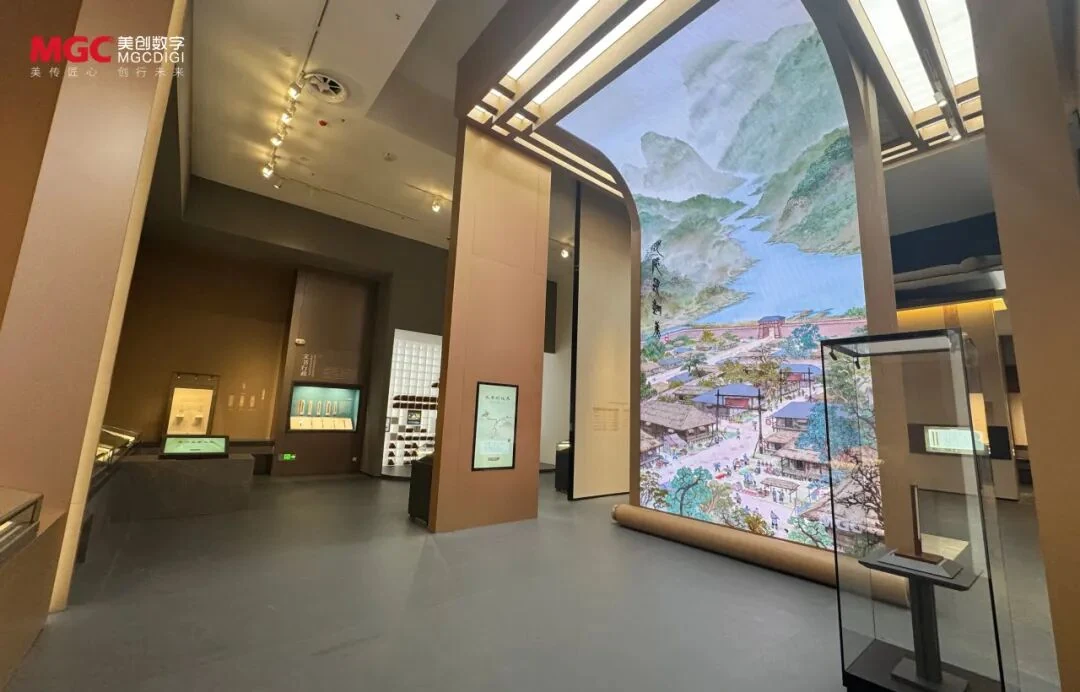
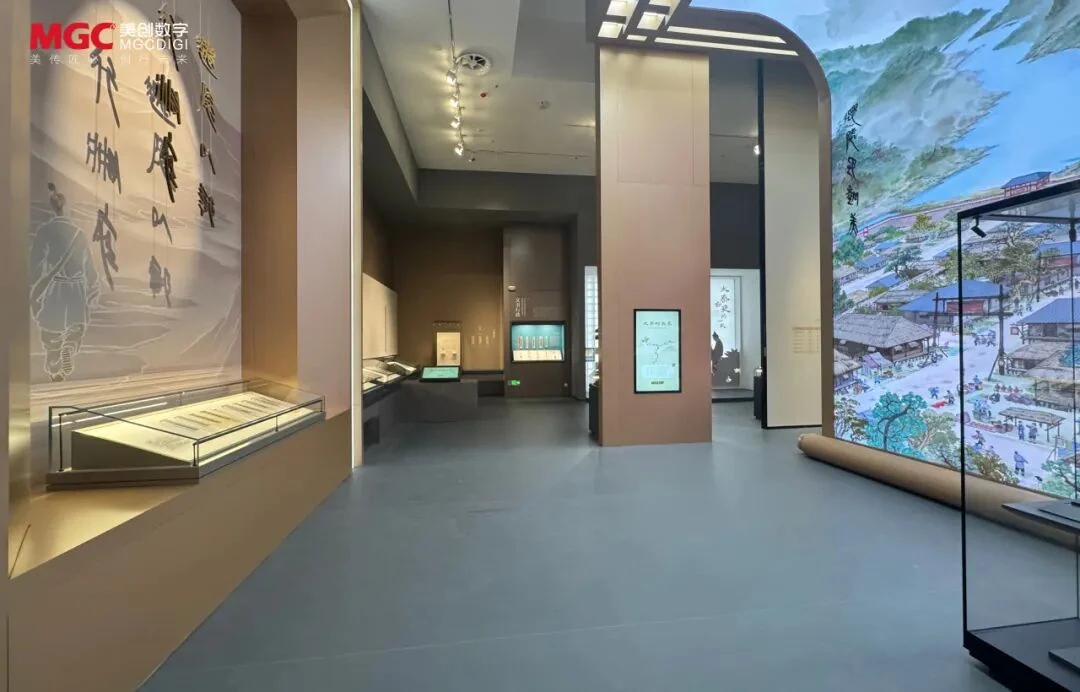
Light, open interiors with blue tones create an approachable atmosphere. Moving imagery, immersive scenes and a bowl-screen theatre turn the written records into vivid historical experiences.
Five featured displays organize a core route that connects important objects, historical information and visitor participation.
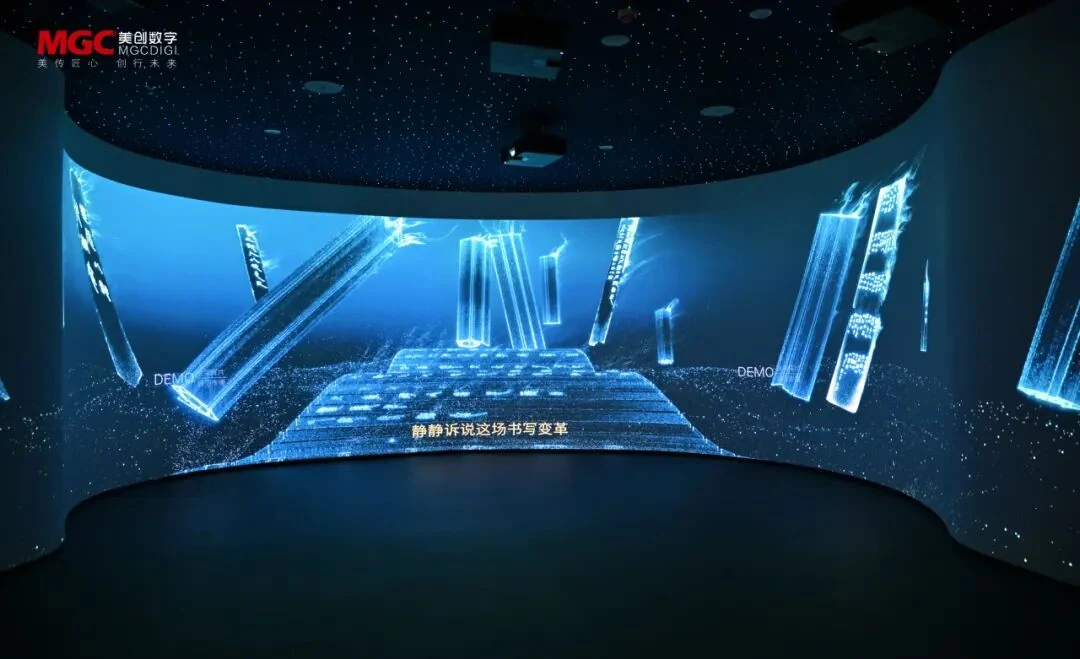
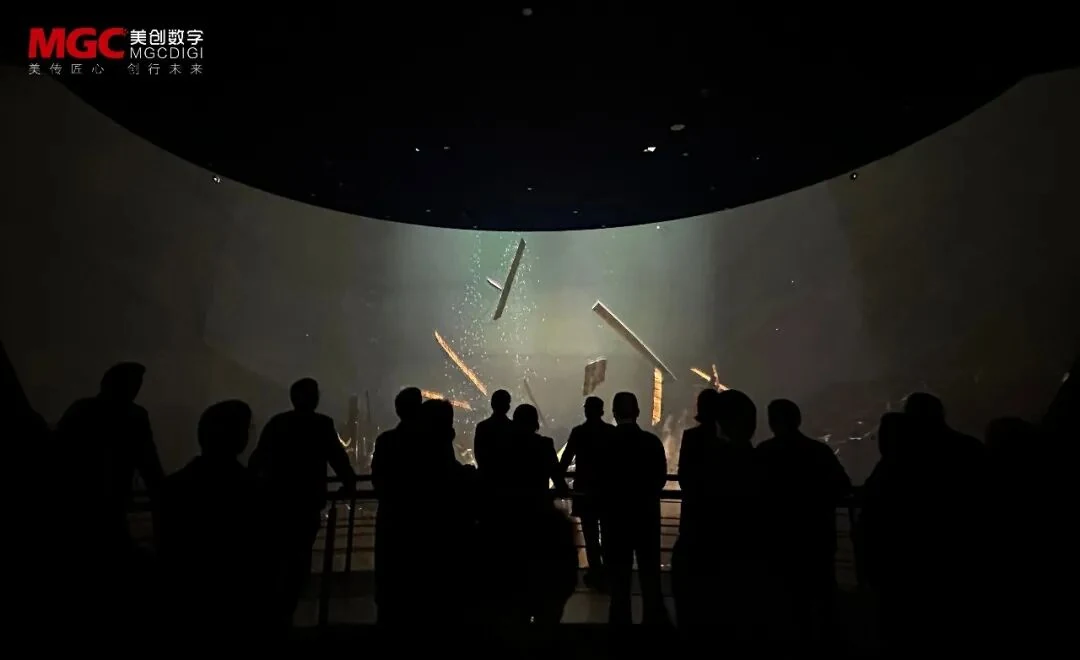
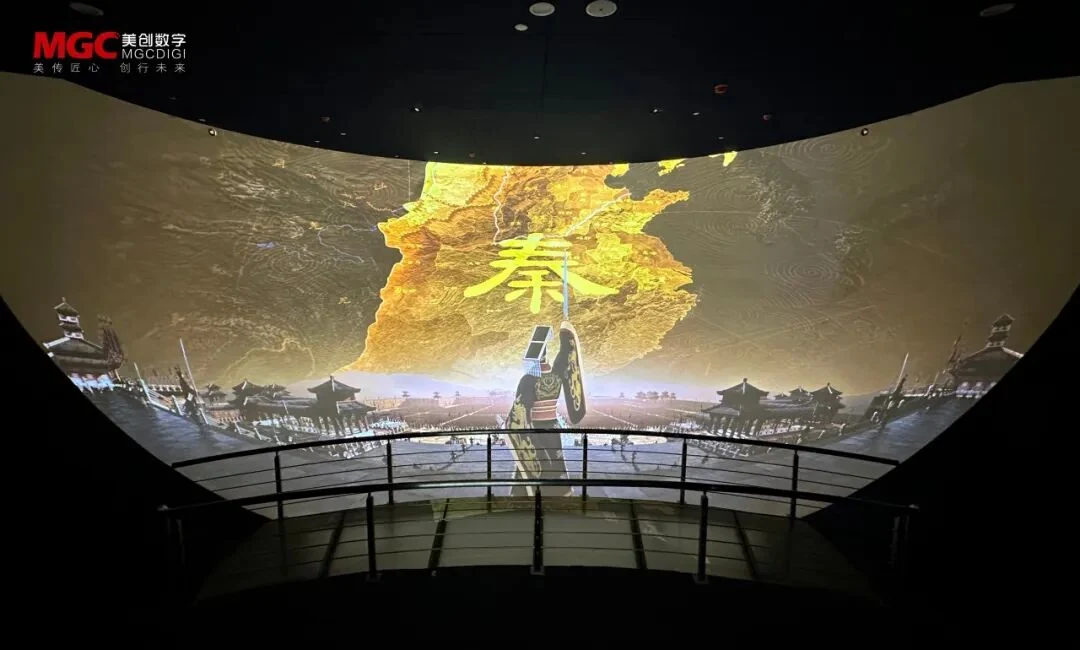
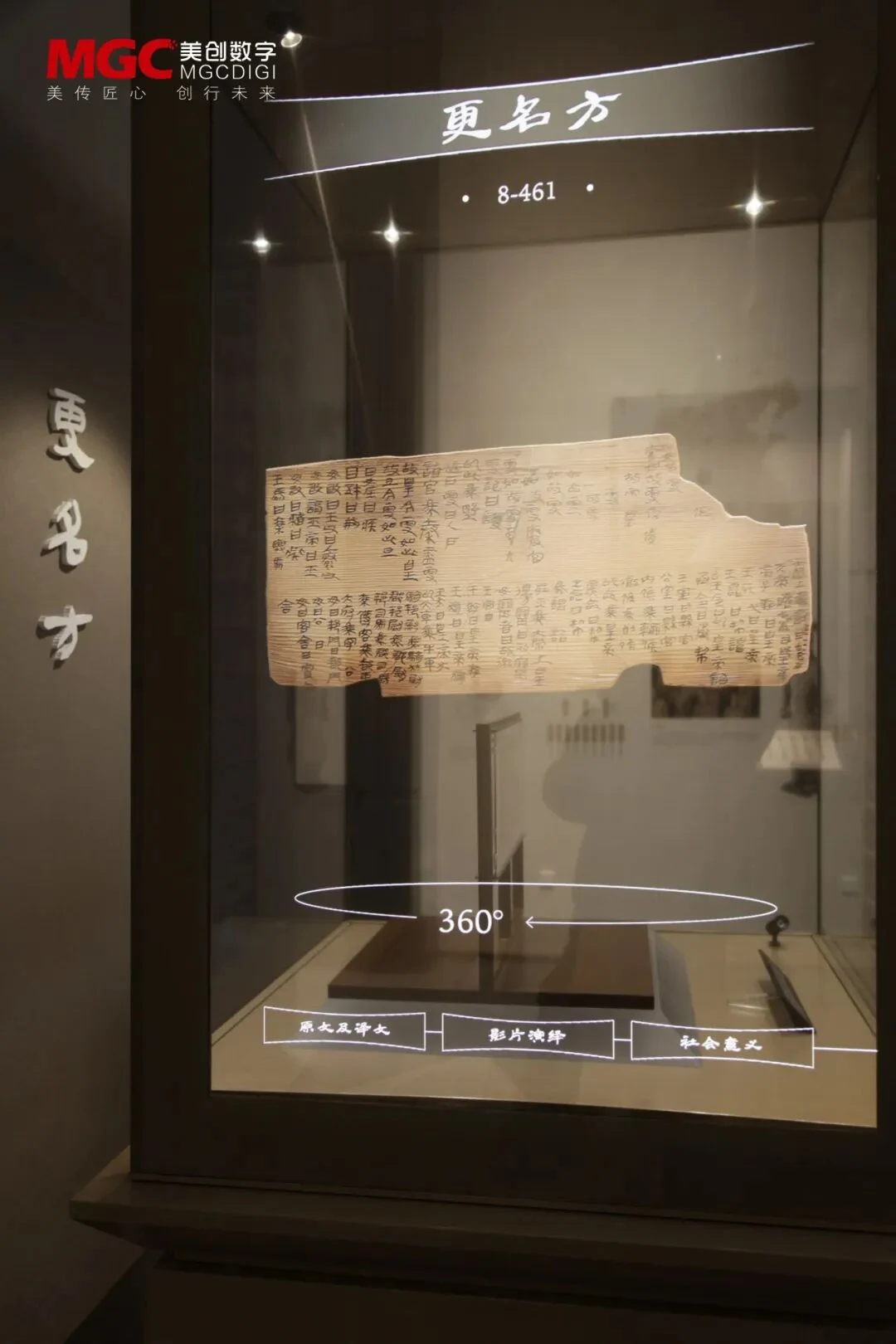
Featured display 1: the naming-rules tablet
The Gengming Fang wooden tablet records 57 rules on names and titles, including the designation of the emperor, official titles, naming taboos and prescribed wording. Its interpretation shows that standardizing writing extended beyond character forms to terminology and official documents.
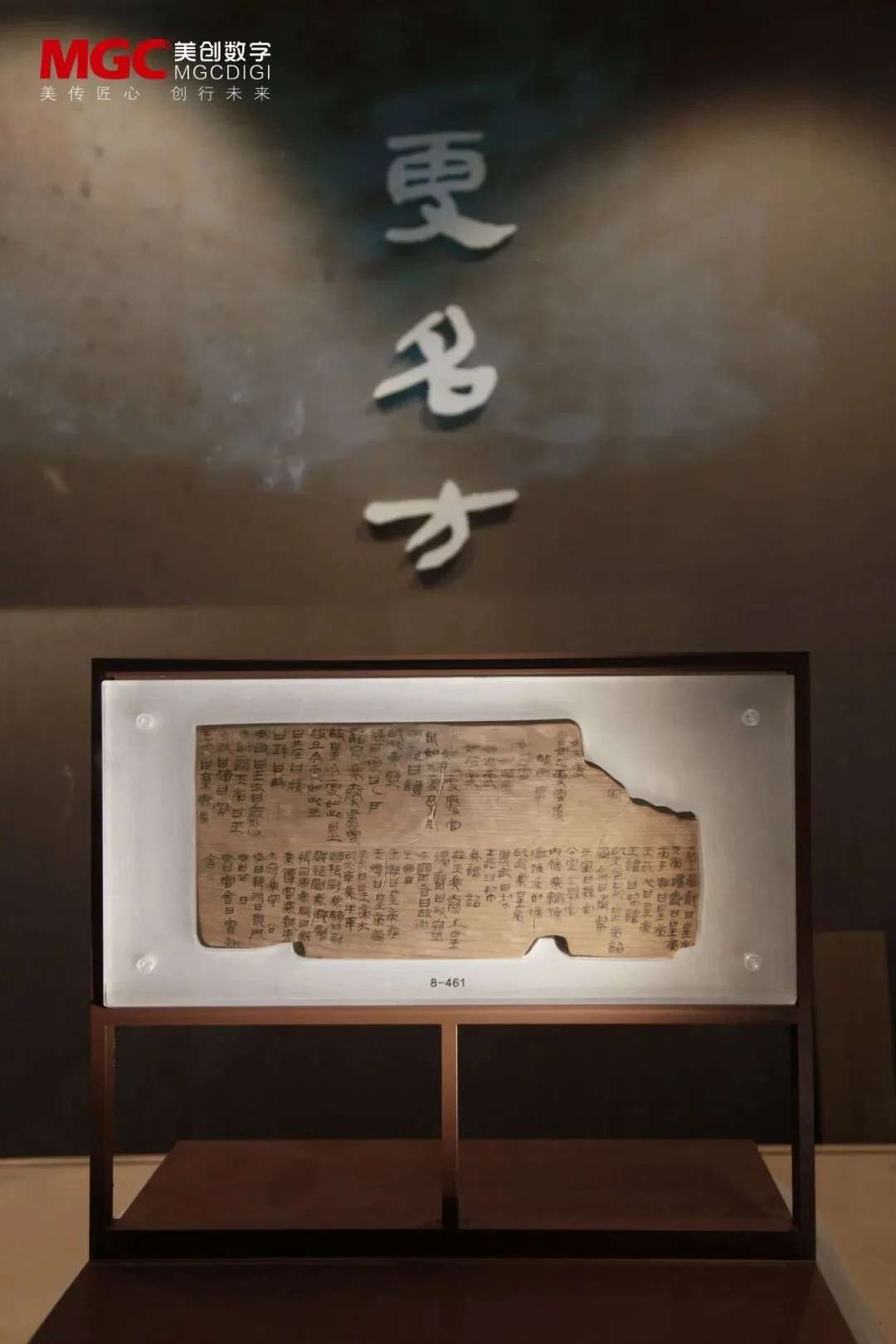
Featured display 2: Qianling and Dongting
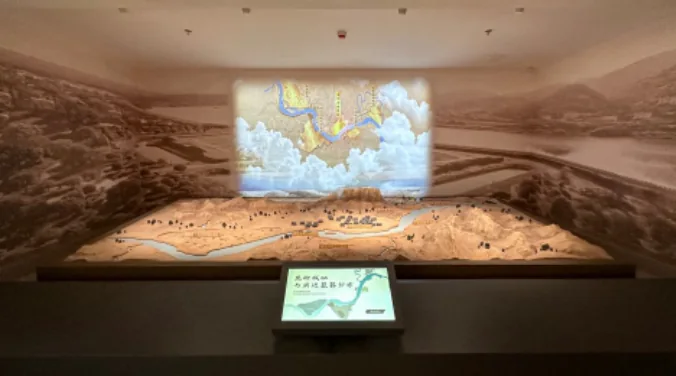
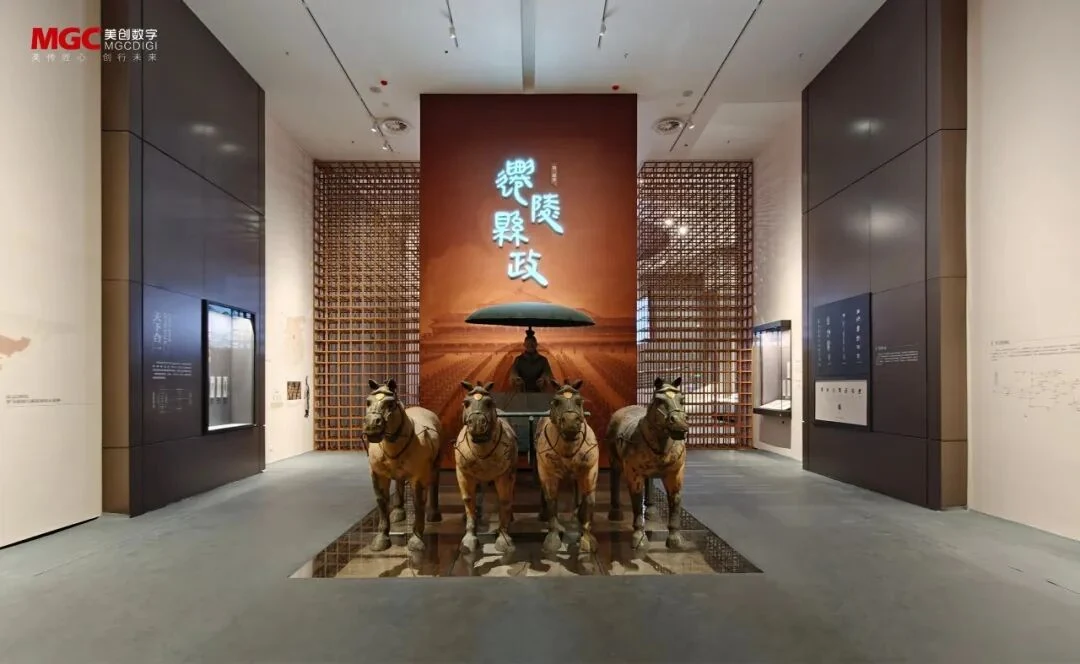
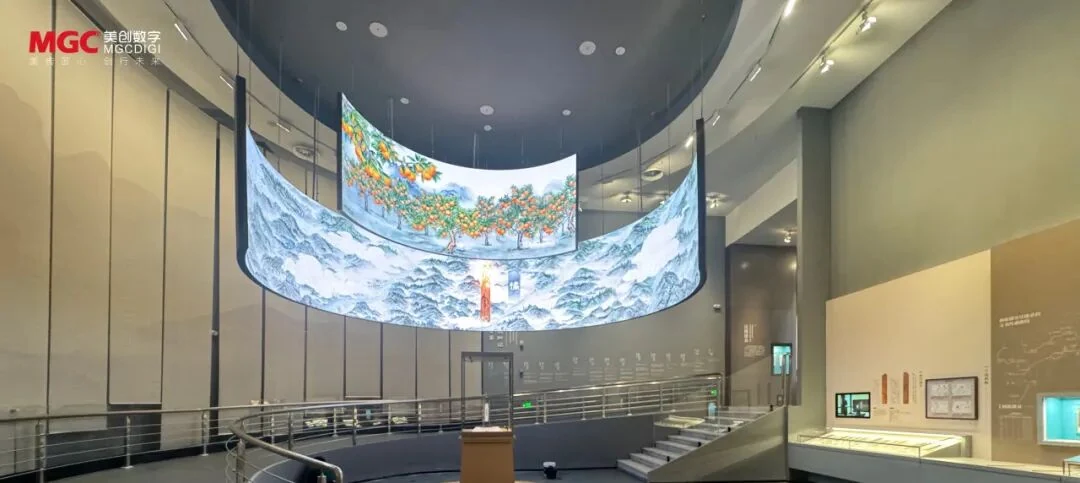
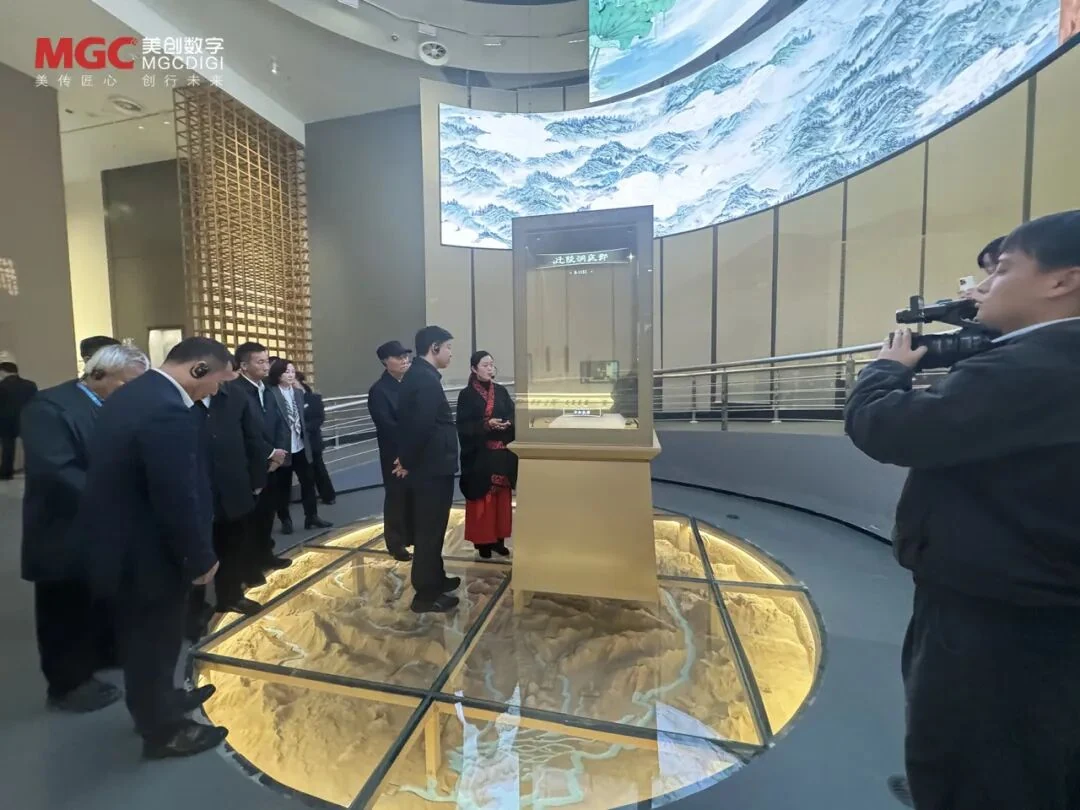
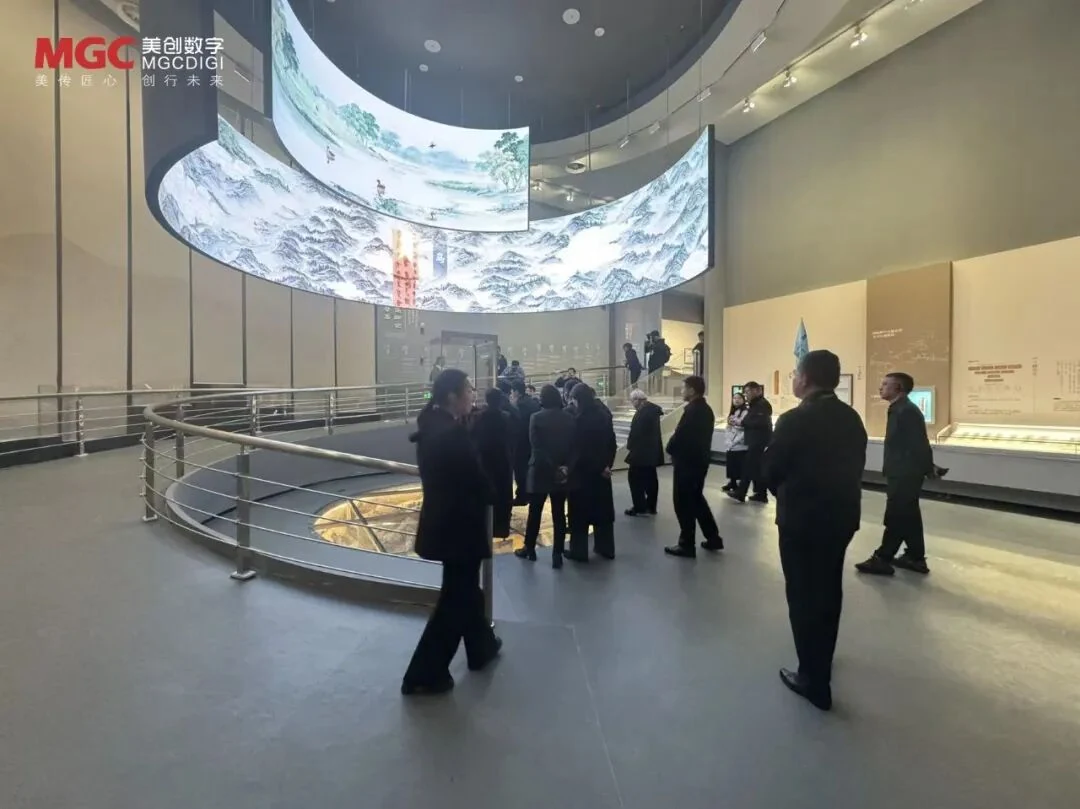
The Qianling–Dongting themed space combines the building’s height with a sloping walkway to create depth. A double-curved screen presents a thematic film. The central slip display and a model of Dongting Commandery below the case anchor the spatial narrative.
Featured display 3: the multiplication table
The multiplication-table exhibit uses a transparent interactive case to present details and encourage engagement. An overhead wooden well-curb form recalls the slips’ discovery in an ancient well, while the film incorporates local dialect voiceover.
Featured display 4: exploring Qianling’s terrain
An interactive game explores a slip praising Qianling’s terrain. Visitors bring together information about mountains and waterways, transport and local resources to build a picture of the place as understood by its Qin inhabitants.
Featured display 5: official couriers
A display about documents sent by courier from Qianling to Dongting uses sculptural elements and a large courier backdrop to introduce the transmission of official records.
Thematic groups: content, technology and art
The article reports over 30 multimedia interactives and more than 30 scene models and custom art installations, grouped by subject. Artifacts, models, imagery and interaction work together to support historical understanding throughout the visitor route.
From concept development to implementation, MGC applied its principles of science, aesthetics and communication to integrate artifact interpretation, exhibition space, multimedia and interactive production into a connected visitor narrative.
Project reference
Adapted from MGC’s WeChat project article published on 22 November 2025. Exhibition quantities and opening status refer to that report. The 27 project images below the relevant sections come from the article; captions are editorial descriptions. Project year and design/construction scope are also recorded in the MGC 2026 mobile company brochure, printed page 14 (PDF page 16). English names are descriptive translations.
Earlier brochure gallery